Nym and NymVPN - Next-gen privacy with mixnet and VPN ...

TL;DR
- This article explores how Nym and NymVPN use mixnet tech to stop metadata leaks which is a huge deal for dev teams building secure apps. You'll learn about integrating mixnets with auth systems and how to keep user data private from network-level snooping. We cover technical setups and why traditional VPNs often fail to hide your traffic patterns.
Why traditional VPNs aint enough for modern auth
Ever felt like you’re being watched even when you're using a VPN? It’s because, honestly, you probably are—at least at the network level where the juicy stuff lives.
Most people think a vpn is a magic invisibility cloak. But while it hides your ip address from that coffee shop wifi, it doesn't hide the "shape" of your data. If you’re logging into a healthcare portal or a bank, the timing and size of those packets are like a fingerprint.
Traditional vpn tech has some pretty big gaps when it comes to modern authentication:
- Traffic Patterns: Even if the content is encrypted, an observer can see a burst of data every time you hit "Login." This "pattern matching" can identify what service you're using.
- Timing Attacks: If a packet leaves your house and a similar-sized one hits a server a millisecond later, it's easy to link them.
- Centralized Honeypots: Authentication servers are massive targets. According to a 2023 report by Verizon, stolen credentials remain a top "action" in breaches, and network-level observation helps attackers map out these auth flows.

In a retail setting, an isp might see you're constantly hitting a specific auth api, letting them guess your shopping habits even without seeing your cart. It’s why just "hiding your ip" isn't enough anymore.
Next, we'll look at how mixnets actually scramble this mess to keep you truly private.
Deep dive into the Nym Mixnet architecture
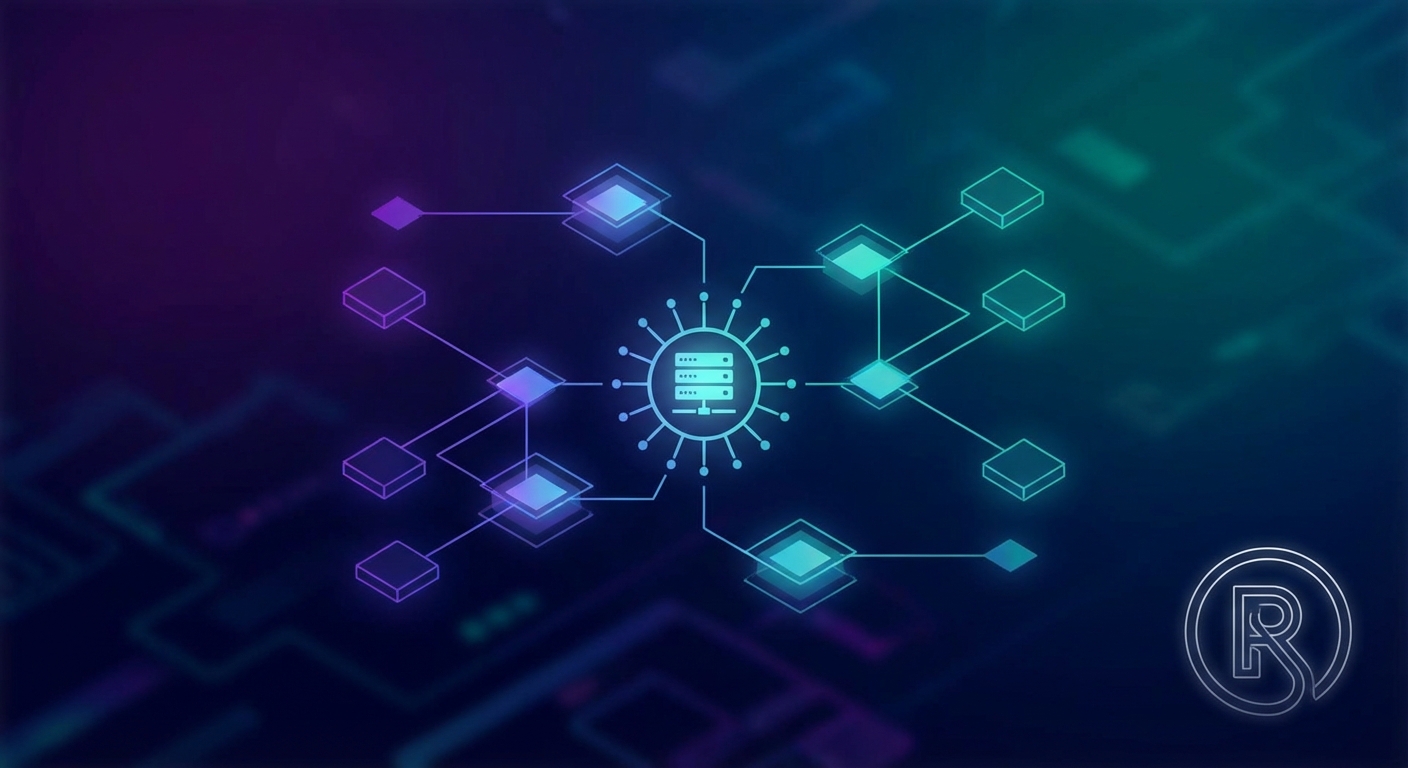
So, how do we actually stop someone from tracing your data back to you? If a vpn is just a single tunnel, the nym mixnet is more like a digital blender that doesn't just hide your identity—it destroys the trail entirely.
Most devs are used to simple packet routing, but nym uses something called the Sphinx packet format. Think of it like a set of nested russian dolls. Every packet is exactly the same size, so an observer can't tell if you're sending a tiny "hello" or a chunk of a sensitive healthcare record. According to the nym whitepaper, this uniform size is crucial because it prevents "packet size analysis" which is how most ai-driven surveillance tools figure out what you're doing online.
- The Mixnet Hop: Unlike a vpn that just passes data through, each "mixnode" in the nym network collects a bunch of packets, shuffles them like a deck of cards, and then spits them out in a random order.
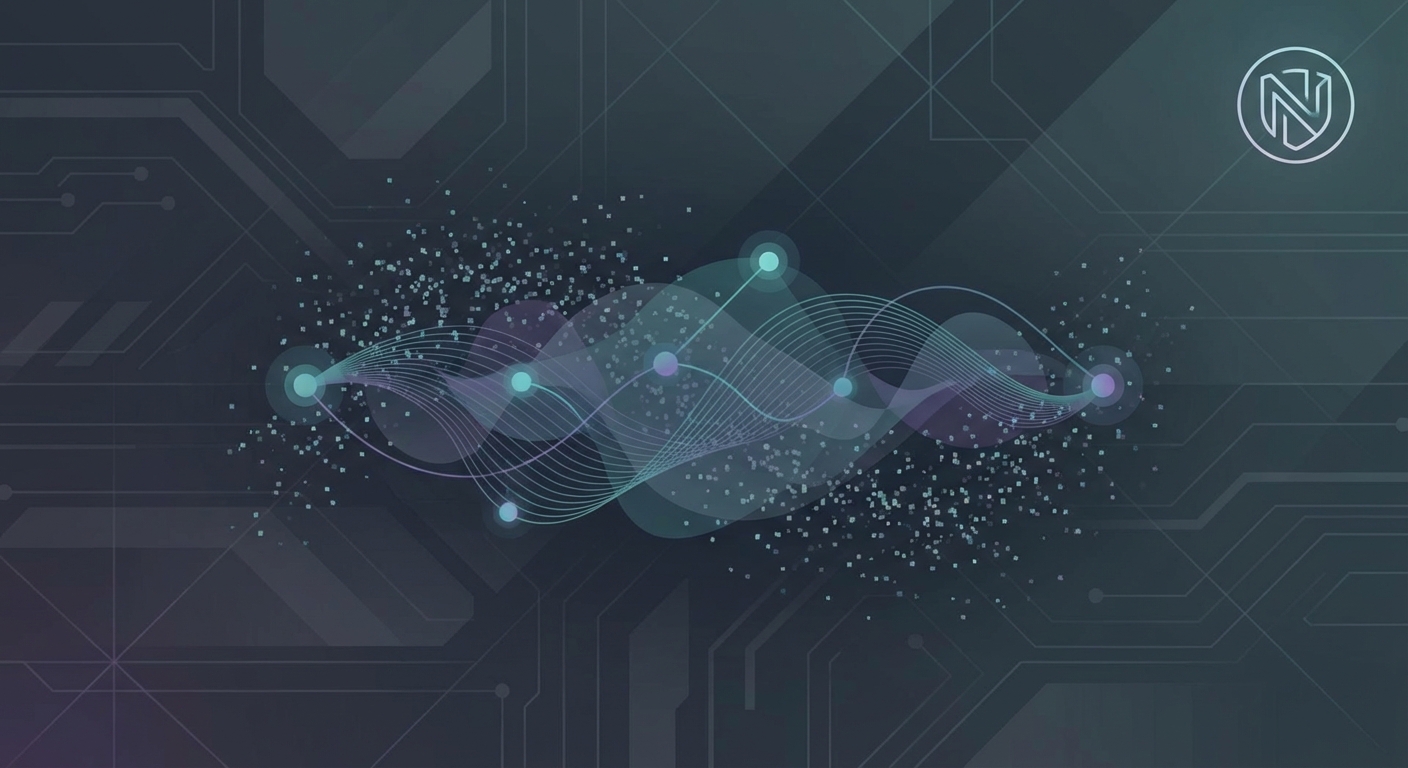
- Cover Traffic: This is the cool part. The network actually generates "fake" traffic. Even if you're sleeping, your client might send decoy packets so an attacker can't tell when you're actually active or just idling.
- Timing Delays: Each node adds a tiny, randomized delay. It’s just enough to break the "timing correlation" that lets hackers link an outgoing packet from your house to an incoming one at a bank's api.

"The goal isn't just encryption; it's making the metadata so noisy that the signal becomes impossible to find for any observer."
I've seen plenty of "secure" setups in retail and finance where devs encrypt everything but forget that the metadata—the who, when, and where—is still wide open. nym basically fixes that by making everyone's traffic look identical.
Next, we're gonna look at how this architecture actually handles high-speed needs without tanking your connection.
Implementing NymVPN for secure dev workflows
Ever tried building a login flow and realized you're basically handing a map of your users' lives to any isp or nosy middleman? It's a huge pain for devs who actually care about privacy but still need those sweet, sweet social login conversions.
This is where loginhub comes in. Think of it as a privacy-preserving proxy for OIDC and OAuth. It sits between your app and the big identity providers, acting as a "blind" intermediary. When you use it with nym, the central provider (like Google) can verify the user but they can't see the network metadata or the user's real IP because loginhub strips that away before it hits their servers.
- Fast Mode vs. Mixnet: If you're worried about speed, NymVPN has a "two-hop" WireGuard mode for high-speed needs like video calls. You can switch to the full 5-hop mixnet mode when you need maximum anonymity for auth requests.
- Private Social Logins: You get the ease of oauth but since the traffic is mixed, the provider can't easily correlate the login event with the user's actual location.
- User-Perceived Latency: You can still track "application-level" latency in your analytics. Even though the mixnet adds intentional delays to stop timing attacks, you're measuring how long the user waits for the UI to update, not the raw network path which is intentionally obfuscated.
I've seen teams in healthcare and fintech struggle because they want the UX of social logins but their compliance officers freak out about data leakage. Using a mixnet-powered vpn solves this by making the network layer "dark" while the app layer stays functional.
It's a bit of a shift in how we think about "secure connections," but honestly, it’s much less stressful than explaining a metadata leak to a client later.
Next, we'll dive into some actual code and tips for your api design.
Developer tips for building privacy-first apis
Building an api that doesn't leak data like a sieve is harder than it looks, especially when you realize most "secure" setups still scream user habits to anyone watching the wire. It's not just about the payload anymore; it's about the trail you leave behind.
When you're designing a handshake, less is always more. I've seen devs send way too much info—like device names or precise timestamps—that just help attackers fingerprint your users. If you're using decentralized identity with nym, you can verify a user is "real" without ever seeing their actual email or ip.
Handling latency is the big elephant in the room when you're using a mixnet. Because nym adds those intentional delays to stop timing attacks, your login might take a second longer. Don't fight it with aggressive timeouts; instead, use optimistic UI patterns so the user feels like things are moving while the mixnet does its magic in the background.
One of the biggest mistakes I see in retail and finance apps is hardcoding logic that relies on a user's ip address for "security." If you're building for privacy, that ip is basically a lie anyway (or it should be). Stop using it for rate limiting or geo-fencing at the app level.
Instead, use the @nymproject/sdk (Typescript) to wrap your requests. It’s pretty straightforward to swap out a standard fetch for a nym-client request.
import { createNymMixnetClient } from "@nymproject/sdk";

// Quick example of a privacy-first auth call
const nymAuth = async (credentials, recipientAddress) => {
  const client = await createNymMixnetClient();
  await client.client.start({
    clientId: 'my-app-auth',
  });
  // We send this through the mixnet to the loginhub service provider
  // recipientAddress is the Nym address of the gateway/service
  const response = await client.client.send({
    payload: JSON.stringify(credentials),
    recipient: recipientAddress,
  });
  return response;
}
It feels a bit weird at first to ignore the "standard" ways of tracking users, but your compliance team will love you for it. Now, let's look at where all this is heading with the rise of ai.
The future of ai-powered login management and privacy
So, are we actually winning the war against ai-driven snooping? Honestly, it feels like a cat-and-mouse game where the cat just got a supercomputer, but mixnets are finally giving us a way to trip them up.
The problem with modern "smart" surveillance is that it doesn't need to read your mail to know you're at the doctor. It just looks at the patterns. By using the noise and shuffling we talked about earlier, we're basically feeding those ai models garbage data. If every packet looks the same, the predictive analytics just break.
- Predictive Analytics: As noted earlier in the nym whitepaper, uniform packet sizes stop bots from guessing if you're hitting a retail site or a bank.
- Decentralized Auth: Moving away from giant, central honeypots means there is no single "big prize" for hackers to hit. Tools like loginhub bridge the gap by letting you use familiar logins while keeping the actual identity data decentralized and "blinded" from the network observers.
- The NymVPN Rollout: This isn't just for paranoid devs. It’s for anyone in finance or healthcare who needs to move data without leaving a breadcrumb trail for an api to scrape.

I've seen too many projects fail because they ignored the network layer. Whether you're building a small retail app or a massive fintech backend, using tools like loginhub over a mixnet is just common sense now. It’s time to stop making it easy for the observers. Stay safe out there.